Recognized with a Best Collaboration Award, the Facilities Maintenance and Operations Safety and Well-Being Team helped transform workplace safety across Facilities Maintenance and Operations by building trusted partnerships, strengthening training and creating a culture where safety is a shared responsibility.
When hazards range from asbestos and confined spaces to electrical work and falls, safety is a team sport. Facilities Maintenance and Operations (FMO) staff regularly work around complex hazards, making collaboration with workplace health and safety experts essential to helping keep staff and hospital visitors safe.
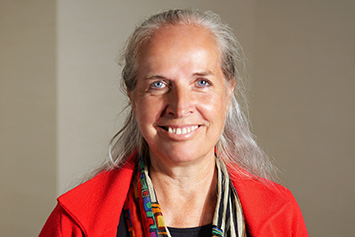
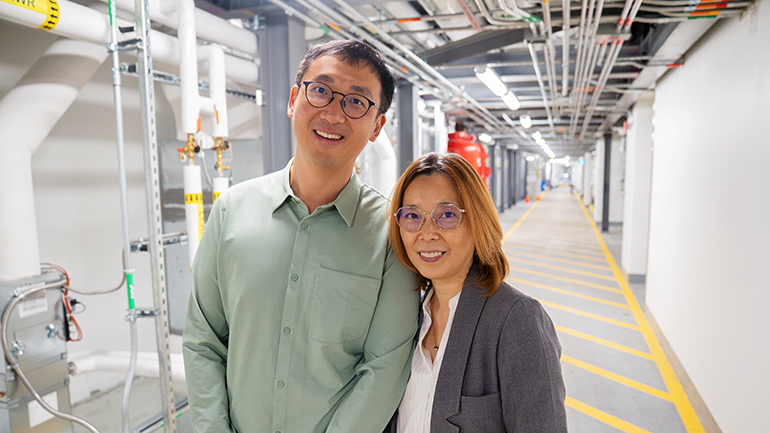
Enter FMO Safety and Well-Being Team members Angel Gao, client partner, Organizational Safety and Well-being, Phil Hanchen, client partner, Exposure Prevention and their manager, Jackie Ellis, leader, Prevention-Specialized Services. Their goal is to make safety a visible, proactive and integrated part of everyday operations.
Their passion for solving safety puzzles and finding solutions for their FMO colleagues, makes them more than advisors. They have become trusted partners working alongside FMO leaders and staff to assess hazards and strengthen safe work practices tailored to the realities of the job.
“People know they want to protect themselves. They just need the other pieces of the puzzle to make the whole picture,” Angel says. “I think our job is to find those other pieces and put them together.”
Learn more about the team’s inspiring work:
“They really do a good job of working collaboratively,” says Leon Beausoleil, manager, Trades and Maintenance Supervisors. “You can still do your job efficiently, but it needs to be done safely as well.”
It's an approach FMO leaders recognize in practice.
“I think that’s so important because they work with our team to try to understand the situation first and then try to work towards a tailored solution that’s going to be best for the organization and best for the worker,” says Mitch Weimer, senior project manager in FMO.
One of the team’s most significant achievements was helping introduce a structured approach to tracking required training by role. By linking training requirements to completion dashboards, leaders can identify gaps and target follow-up.
Angel and Phil support approximately 300 FMO staff through training and sharing lessons-learned from recent incidents.
“All of our staff are really well trained, and we have a lot of confidence that they know what they need to know,” says Gary Bridgens, director, Facilities Maintenance and Operations. “Phil and Angel are certainly the catalysts for that success.”
The team has also built internal safety capacity through education tailored to FMO’s unique risks. Drawing on his exposure prevention expertise, Phil supported asbestos education and training, while Angel led fall protection training.
Phil believes prevention means protecting employees from health effects that may take years to emerge.
“The damage to people’s health isn’t always done overnight. It can take years, maybe decades, for occupational diseases to develop,” he says, making everyday awareness and precautions especially important.
The team’s collaborative approach also extends to external partnerships with WorkSafeBC and specialized contractors to provide additional expertise in managing complex risks.
Angel and Phil also work with FMO leaders through regular Health and Safety Leadership Commitment meetings to identify and track safety improvements. As their manager, Jackie Ellis, leader, Prevention-Specialized Services sees that integration as key to lasting change.
“Their work exemplifies how leadership, innovation and genuine collaboration can come together to create meaningful, sustained improvements in workplace safety,” she says.
Joel Odin, director, Well-Being and Safety, says bringing those different perspectives together is essential.
“It’s important that we bring the leadership and workers’ perspectives together so that when we create safety programs or safe work procedures, they’re reasonable, doable and, at the end of the day, safe for our staff,” he says.
Their efforts are measurable. In fiscal year 2024/25, FMO maintained stable incident levels while reducing claim costs by eight per cent, from $145,000 to $133,000, and reducing total days lost by 14 days.
Just as important is the trust they have built with managers, supervisors and staff, reinforcing that health and safety is a shared responsibility.
Looking back, Phil sees the cumulative impact of that work: “After those efforts are made, when we reflect on the past, we realize that we truly made a difference.”
Through trusted partnerships and a shared commitment to prevention, this team has helped create lasting improvements in workplace safety, protecting staff while supporting safer care environments across Fraser Health.
Congratulations to the Facilities Maintenance and Operations Safety and Well-Being Team – recipient of a Best Collaboration Award.