
Being safe during a heat event means keeping informed about weather alerts, checking in on people who might be most at risk (including those over 65, those with chronic conditions, those on certain medications, and those with mental health challenges), knowing how to keep cool and knowing where to go to get relief from heat.
Last updated: May 29, 2026.
Being safe during a heat event means
- Keeping informed about heat warnings.
- Checking in on people who might be most at risk (including those over 65, those with chronic conditions, those on certain medications, and those with mental health challenges).
- Monitoring indoor temperatures. Safe temperatures are under 26°C and temperatures can be dangerous at 31°C and over for extended periods of time.
- Knowing how to keep cool and knowing where to go to get relief from heat.
- Knowing signs of heat illness.
Summer heat Safety for seniors and people with medical conditions
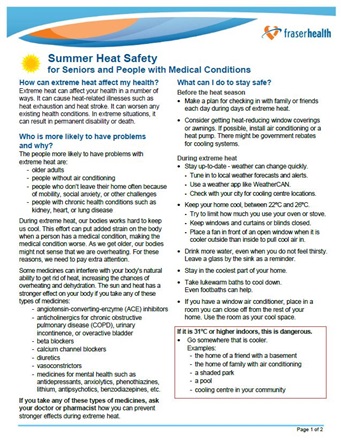
Resource also available in other languages here.
Provincial heat alert levels
The provincial government launched the BC Heat Alert and Response System (BC HARS) in June 2022 to help ensure people, First Nations communities and local governments have the tools they need to stay safe during heat events. Significant changes to the system occurred in 2026, moving from a two-tiered system to a colour-coded warning system.
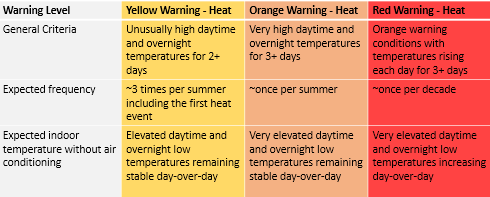
Alerting areas
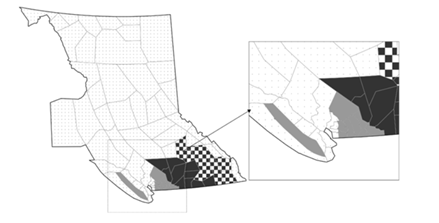
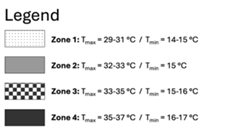
ECCC colour levels are based on both an assessment of the potential impact of the weather event and the forecast confidence. Temperature thresholds include ranges to reflect that health impacts depend on the combination of daily and nightly temperatures, as well as how unusually hot conditions are becoming and for how long.
Fraser Health Authority region, temperatures thresholds are as follows:
- Zone 1: daytime high of 29-31°C, nighttime low of 14-15°C
- Including Burnaby, Delta, and New Westminster
- Zone 2: daytime high of 32-33°C, nighttime low of 15°C
- The majority of the FHA area, including Coquitlam, Maple Ridge, Surrey, Chilliwack, Hope and Fraser Canyon
See BC HARS for more information about alerting criteria. PreparedBC heat guide for actions to take.
How to take care of yourself and others
-
Tips to keep you cool and healthy during the heat
If you need health related information, please call 8-1-1 for support. If you or a loved one are already connected to a Fraser Health community support service, please reach out to your provider.
If you would like to be connected to social or community services, please call 2-1-1.
If you or a loved one is in distress, please call 9-1-1.
- Drink plenty of water and stay in a cool place.
- Know the signs of heat exhaustion and heat stroke and how to respond.
- Check in with friends, family and neighbours, especially those who may be more susceptible to heat illness, who are living alone, or without air conditioning.
- If you have a window air conditioner, place it in a room you can close off from the rest of your home. Use the room as your cooling off space and try to stay in there as much as possible during the hottest parts of the day.
- It can get dangerously, life-threateningly hot indoors without air conditioning (AC). If temperatures reach 31°C indoors, it is time to relocate to a cool, shady outdoor space, a community cooling centre, or stay with a friend or family.
- If you don’t have AC at home, there are some other things you can do to stay cool:
- Take lukewarm baths/showers to cool down. Even footbaths can help
- Wear a wet shirt or apply damp towels to your skin.
- Keep your home cooler by shading the windows from the outside using awnings or shutters or from the inside using curtains or blinds (wherever possible).
- Seek a cool place such as a tree-shaded area, swimming pool, shower/bath, or air-conditioned spot like a public building.
- Stay with friends or family who have air conditioning or a basement.
- Fans in the window can provide indoor cooling when the temperature outside is lower than the temperature inside. However, in high heat, fans aimed at people do not bring down our body temperatures significantly, particularly for people who already have impaired cooling responses. At high temperatures, fans can actually increase body temperature.
- Schedule outdoor activities only during the coolest time of the day, avoiding 10:00 a.m. to 4:00 p.m. when temperatures and sunlight are at their highest.
- If you must work outside or exercise, drink plenty of non-alcoholic fluids and pay attention to how your body feels. Limit outdoor activity during the day to early morning and evening.
- Never leave people or pets inside a parked vehicle during warm weather.
- If you have children in your home, make sure you’ve taken precautions to prevent falls from windows and balconies.
-
Local government cooling centres
Cooling centres are air-conditioned public spaces set up by local governments to temporarily support people during a heat wave. Cooling centres can help prevent heat-related illness in people who don’t have access to air conditioned spaces by providing them with a cool environment, water and medical attention, if needed.
Many communities will have cooling centres in malls, recreation centres or libraries equipped with air conditioning where you can cool down. Connect with your local government to see where cooling centres would be in your community.
The community response locations - extreme temperature portal, new for 2023, has been created for Indigenous communities and local governments to help share cooling centre, water fountain and spray park locations with the public during extreme temperatures. Please find the map here.
*Please note that locations are provided by local governments and Indigenous communities, should they decide to opt-in. They are not monitored by the Government of B.C. or any health authority.
Information by local government
- Abbotsford
Telephone: (604) 853-2281 - Agassiz/Kent
Telephone: (604) 796-2235 - Anmore
Telephone: (604) 469-9877 - Belcarra
Telephone: (604) 937-4100 - Burnaby
Telephone: (604) 294-7944 - Chilliwack
Telephone: (604) 792-8713 - Coquitlam
Telephone: (604) 927-6300 - Delta
Telephone: (604) 946-4141 - Fraser Valley Regional District
Telephone: (604) 702-5000 - Harrison Hot Springs
Telephone: (604) 796-2171 - Hope
Telephone: (604) 869-5671 - City of Langley
Telephone: (604) 514-2800 - Township of Langley
Telephone: (604) 534-3211 - Maple Ridge
Telephone: (604) 463-5221 - Mission
Telephone: (604) 820-3700 - New Westminster
Telephone: (604) 521-3711 - Pitt Meadows
Telephone: (604) 465-5454 - Port Coquitlam
Telephone: (604) 927-5411 - Port Moody
Telephone: (604) 469-4500 - Surrey
Telephone: (604) 591-4152 - White Rock
Telephone: (604) 541-2100
- Abbotsford
-
Caring for and checking on others
- Some of the people, including seniors, people with chronic health conditions, and those using certain medications, are most susceptible to severe heat-related illness and death may not perceive that they are getting too hot.
- People living alone and have no air conditioning are at high risk of severe heat-related illness, particularly older people, people with heart, lung, and kidney disease, and those with severe mental illness or cognitive impairments.
- For guidance on how to check in on others, in person or remotely, please see the Fraser Health/Vancouver Coastal Health Guidance document for community organizations and the National Collaborating Centre for Environmental Health guide (available in Traditional and Simplified Chinese, Punjabi, and French).
- Check on them in person to evaluate the temperature indoors; if you can only check in on them by phone, ask them to tell you what it says on their thermometer/thermostat.
- Indoor temperatures 26C and under are considered safe. Persistent indoor temperatures over 31C degrees Celsius can be dangerous.
- If they are experiencing high temperatures and are not able to cool themselves, ask to take them to a nearby cooling shelter if available.
- Advise those in your care that a cool or tepid bath can help, as well as a legs-only bath for those with mobility issues or those who may require assistance.
- If you are a caregiver, keep a close eye on those in your care by visiting them at least twice a day, and ask yourself these questions:
- What is the temperature in their home?
- Are they drinking enough water?
- Do they have access to air conditioning?
- Do they know how to keep cool?
- Do they show any signs of heat stress?
- If someone seems unwell due to extreme heat, move them to a cool and/or shady spot, help them get hydrated, sponge or spray with cool water, fan the person, and call for medical assistance if required.
-
Wildfire smoke during a heat event
Wildfire smoke may happen at the same time as very hot weather. Smoke and extreme heat can both impact your health, but they have different effects on the body. Some people are susceptible to experiencing health effects from both wildfire smoke and extreme heat, but overheating is more dangerous for most people at risk.
- Heat and smoke may interact to produce more severe symptoms.
- Smoke and heat both put the human body under stress.
- Combined exposure may lead to more severe symptoms.
- Overheating is more dangerous than smoke exposure for most people at risk.
- Cooler, cleaner indoor air is the best way to protect yourself.
- Learn more here.
Learn more about wildfire smoke and the actions you can take by going to our air quality and wildfire smoke webpage.