
As fall and winter bring less morning light, Fraser Health shares tips to support safe travel, healthy sleep and overall well-being.
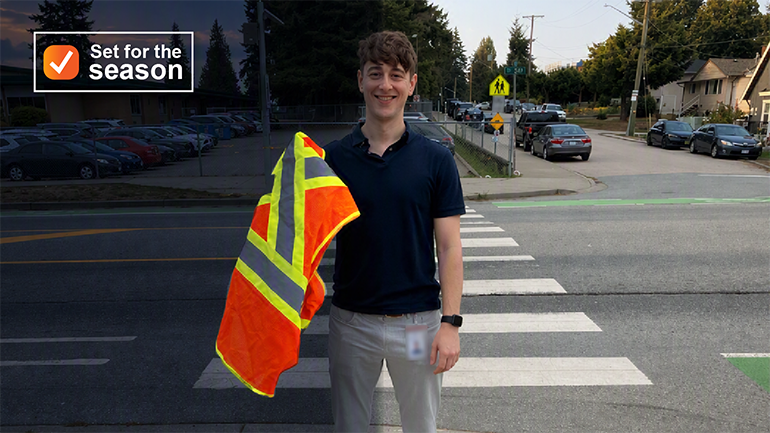
Photo: Dr. Curtis May, medical health officer
The season of darker mornings is here, and reduced morning light may affect sleep patterns and daily routines. Dr. Curtis May, medical health officer, Fraser Health, encourages people to maintain healthy routines. Simple habits such as keeping consistent bedtimes and wake-up times and limiting screen use before bed can help support better sleep and overall well-being.
“Darker mornings can make daily routines feel more challenging, especially for families and students,” says Dr. May. “By maintaining consistent sleep schedules and thinking about how to be safe on morning commutes, people can support their well-being throughout the fall and winter months.”
Walking, cycling or using a mobility aid to travel to school is a healthy option that can be done safely with some advance planning. Families are encouraged to choose well-lit routes, use sidewalks and designated crossings whenever possible, use bike lanes when cycling and allow extra travel time.
“Wearing bright or reflective clothing can help improve visibility,” he says. “Reflectors on backpacks and bicycles, along with flashlights and bicycle lights, can help drivers see pedestrians and cyclists sooner and reduce the risk of road injuries.”
Drivers can help prevent road injuries by slowing down, allowing extra travel time, avoiding distractions behind the wheel and staying alert at intersections, crosswalks, school zones and shared pathways.
Although darker mornings may affect daily routines, making the most of available daylight during the day can create opportunities to support health and well-being.
Dr. May advises that exposure to natural daylight remains important throughout the winter. Spending time outdoors during the day, staying physically active and maintaining social connections can support mood, sleep and overall wellness.
Some people may be more affected by reduced morning light, including children and adolescents, older adults, shift workers and people living with mental health conditions. If you notice significant changes in your sleep, energy or mood, speak with your health care provider.
Find trusted health information and resources to help you get set for the season: www.fraserhealth.ca/setfortheseason