More people now have access to inclusive, culturally safe withdrawal management, addiction care.
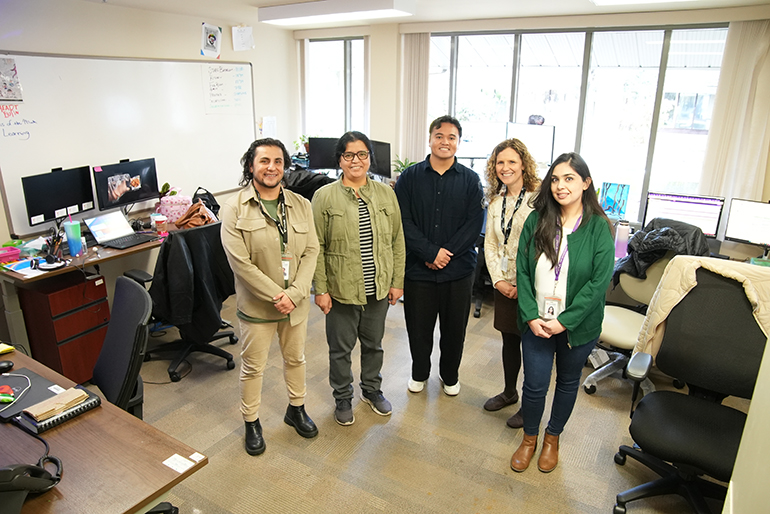
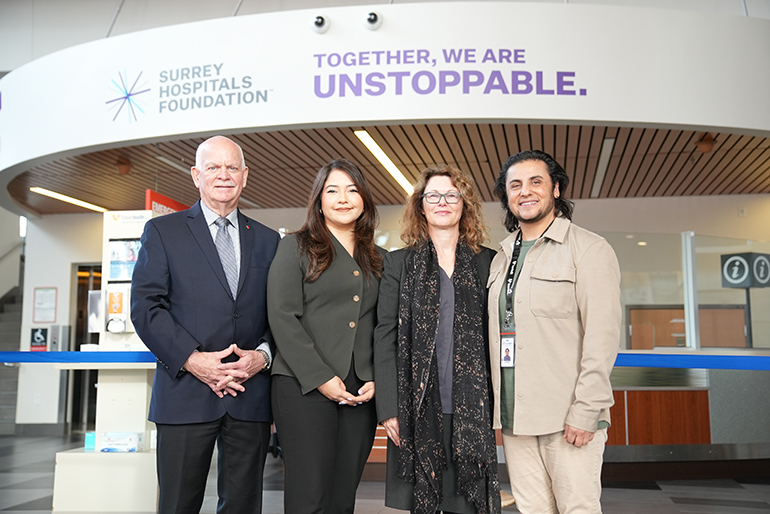
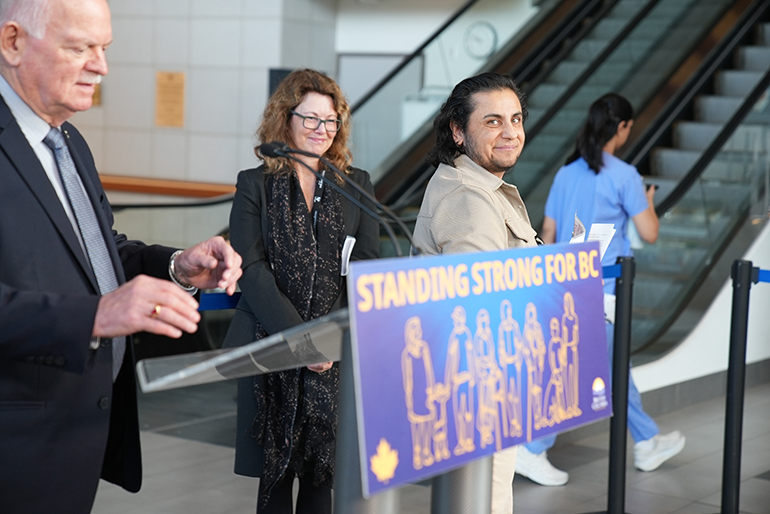
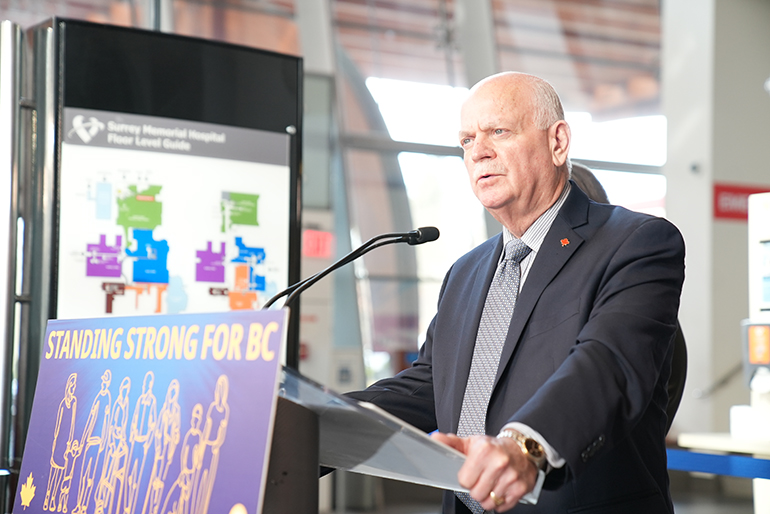
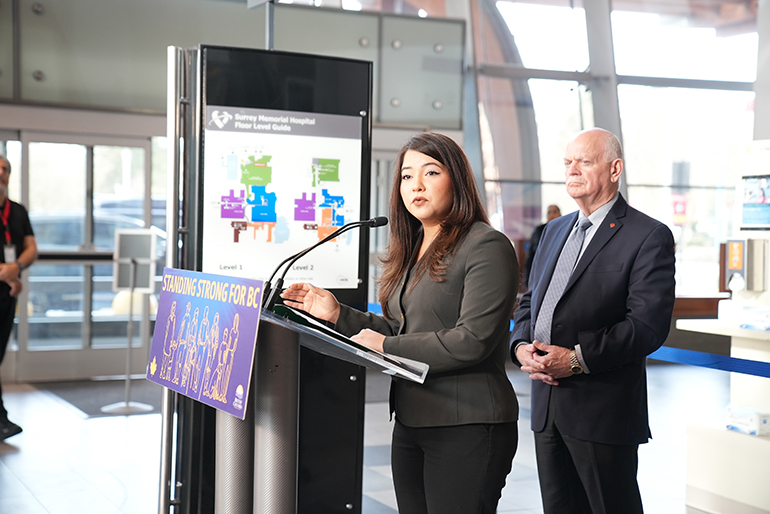
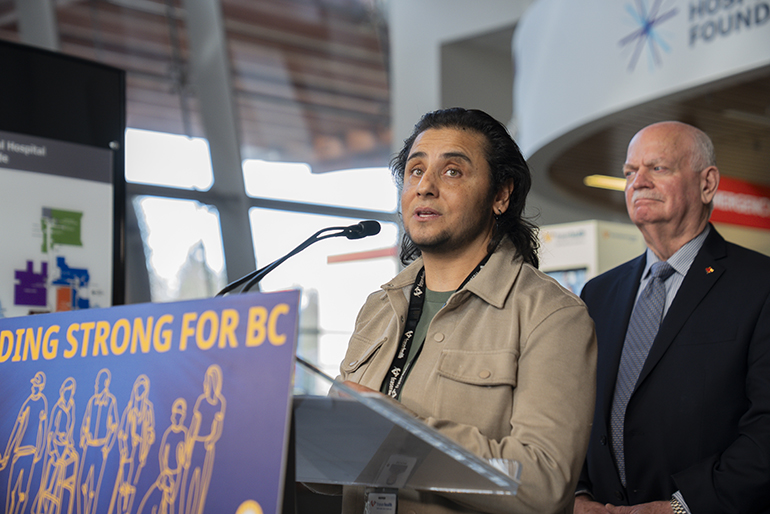
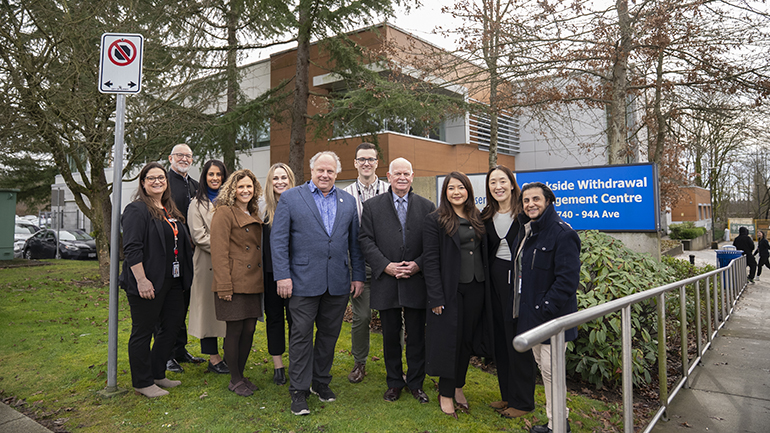
Photo (from left to right): Laura Caron, Fraser MacKay, Aman Braich, Karla Scribner, Erin Senior, Councillor Mike Bose, Tristan Becker, MLA Garry Begg, Parliamentary Secretary Amna Shah, Dr. Sarah Mark and Sevdin MacDonald
Summary
- Through B.C.’s Road to Recovery model, government is building a voluntary, seamless system of addictions care, with new and enhanced services now available in Fraser Health region
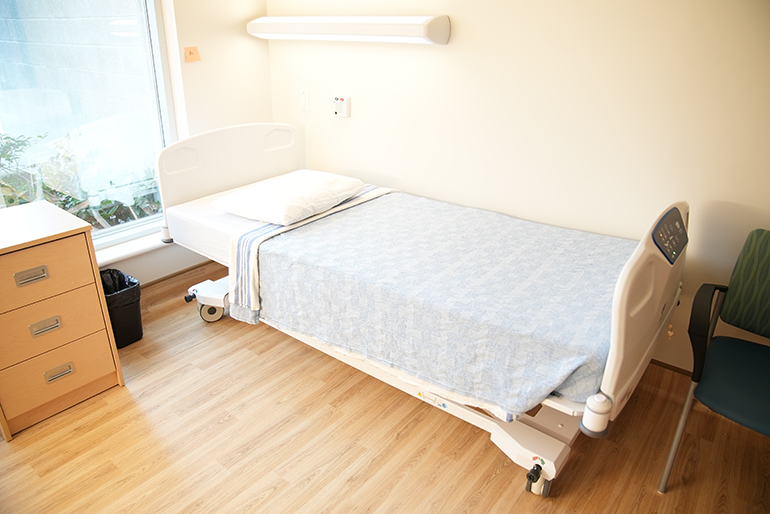
- 10 new medical withdrawal management (detox) beds have been added at Creekside Withdrawal Management Centre in Surrey, increasing access to care and reducing wait times for people seeking support
- A new client transportation van is improving access to Creekside Withdrawal Management services for people experiencing geographical or transportation barriers in the Fraser Health region
- Additional new services include a full-time senior Indigenous cultural adviser at Creekside Withdrawal Management, dedicated staff and group-based support for Indigenous and 2SLGBTQIA+ communities at the Day, Evening, Weekend program and a new Rapid Access to Addiction Care satellite clinic in Hope
B.C.’s Road to Recovery model is helping more people across the Lower Mainland access culturally safe, inclusive addiction and withdrawal care through new services, fewer barriers and easier connections to treatment and recovery.
“Asking for help is a brave first step, and when someone makes that decision, they should be able to access the support they need without barriers,” said Josie Osborne, Minister of Health. “Road to Recovery removes obstacles, like long waits, distance and stigma, making it easier for people experiencing addiction to access timely, compassionate care that honours their culture, identity and lived experience. It creates safer pathways to recovery and affirms that every person and their journey matters.”
The new and expanded services in Fraser Health include 10 new beds at Creekside Withdrawal Management Centre, a client transportation van to improve access to those beds for people facing travel barriers, and a full-time senior Indigenous cultural adviser. New services in the region also include enhancements of regional outpatient programs, such as the Day, Weekend, Evening (DEW) program, and the addition of the Hope Rapid Access to Addiction Care (RAAC) satellite clinic.
When people are ready to seek support or information about addiction care, they have the option of calling Fraser Health Access Central, a simplified point of contact that connects them to new and enhanced services. Access Central in the Fraser Health region is available seven days a week, 8:30 a.m. until 8:30 p.m., at 1-833-866-6478.
“People facing substance-use challenges should be able to access evidence-based care without stigma,” said Amna Shah, parliamentary secretary for mental health and addictions, and MLA for Surrey-City Centre. “Road to Recovery reflects this commitment by delivering person-centred, trauma-informed and culturally safe services. The expansion of this program will help ensure more people across B.C. can access the support they need.”
More access, fewer barriers
The 10 new beds at Creekside Withdrawal Management Centre will help reduce wait times and increase access to 24/7 medically monitored withdrawal services for people throughout Fraser Health. This growth is supported by additional staff, including:
- physicians
- a senior Indigenous cultural adviser
- clinical staff
- peer-support workers
A new client transportation van, staffed by a health-care worker and peer-support worker, also improves access for those facing travel barriers, particularly in rural and remote eastern Fraser Valley communities. The van operates daily from 7 a.m. until 3 p.m. based on individual bookings and intake times. When individuals are assessed as needing bed-based medical withdrawal management, their transportation needs will also be assessed. Clients who need transportation will be assisted in arranging it.
Day, evening, weekend community supports expanded
The DEW program provides outpatient treatment services and has expanded to include culturally safe, inclusive and trauma-informed supports for Indigenous people and members of 2SLGBTQIA+ communities across Fraser Health. People can self-refer by phone Monday to Friday or access services during drop-in hours.
Care is provided by clinicians who specialize in substance-use treatment, including six dedicated staff focused on Indigenous-specific and 2SLGBTQIA+ affirming care. Daily groups are offered both in person and virtually, including self-management and recovery sessions for peer support. Rehabilitation and recovery supports are also now available throughout the region through a team of nine clinicians, including occupational therapists, vocational counsellors and recreation therapists, to help people build daily living skills, engage in meaningful activities and maintain long-term recovery.
Satellite clinic opened in Hope
As part of the east Rapid Access to Addiction Care network, the new Hope RAAC satellite clinic at the Hope Mental Health Centre (1275 7th Ave.) provides low-barrier, same-day access to addiction medicine services for people in Hope and the Fraser Canyon who are looking for support with substance-use concerns. The clinic includes on-site support and virtual linkage to RAAC clinic physicians and offers walk-in assessment and treatment, with a focus on initial stabilization, Monday to Friday, 9 a.m. until 5 p.m. Physicians also provide assessment and referral as appropriate for Creekside Withdrawal Management Centre.
The clinic is staffed by nurses, clinical support, administrative staff and virtual physicians. Anyone can self-refer or book an appointment, including individuals returning to services.
Road to Recovery
Since its launch in 2023, Road to Recovery Vancouver has been quickly connecting people with the treatment they need. From October 2023 until December 2025:
- Access Central received more than 40,000 calls.
- More than 9,200 clients were clinically assessed for withdrawal management.
- More than 4,400 clients accessed medical withdrawal management beds.
- There was a median wait time of one day for those prioritized as urgent, and wait times for routine clients were reduced from an average of 26 days to approximately eight days.
Information and data from Road to Recovery Vancouver is being used to guide its ongoing expansion throughout the province, with recent launches in Fraser Health, Island Health and Interior Health, to make addiction care simpler, faster and more accessible for people, no matter where they live.
B.C.’s Road to Recovery model is part of government’s work to build a voluntary, seamless system of mental-health and substance-use care. This includes more than 3,700 treatment and recovery beds, of which more than 790 are new since 2017, launching the Opioid Treatment Access Line and opening Foundry youth centres and First Nations healing facilities.
Learn More:
- Learn more about Road to Recovery
- For more information about mental-health and substance-use supports in B.C., visit: HelpStartsHere and Building better mental health and addictions care
- Learn more about the Creekside Withdrawal Management service
- Learn more about the DEW program
- Learn more about RAAC
A backgrounder follows.
Backgrounders
What people are saying about expanded addictions care in Lower Mainland
Jagrup Brar, MLA for Surrey-Fleetwood –
“This program is helping remove barriers that can make it difficult for people to access the care they need. It’s welcome news that more people in the Lower Mainland can receive support through Road to Recovery.”
Garry Begg, MLA for Surrey-Guildford –
“A critical part of addictions care is making sure people know what supports are available, and that they have the opportunity to access them no matter where they are in their recovery journey. Road to Recovery is helping people get the care they need, feel supported along the way and achieve better outcomes.”
Jessie Sunner, MLA for Surrey-Newton –
“Road to Recovery is giving people the guidance and support they need to navigate their recovery journeys with dignity. It’s encouraging to see more people in our province being able to connect with care that meets them where they are and helps them move forward in recovery.”
Dermot Kelly, president and CEO, Fraser Health –
“Accessible, patient-centred services are essential to help people address their substance use in a meaningful way. By expanding services and support, we are increasing access to timely, compassionate and culturally safe care when they need it, no matter what stage they are at in their recovery.”
Dr. Sarah Mark, regional medical lead, community addiction services, Fraser Health –
“Patients are pleased at how easy it is to get help through Road to Recovery and these services. They make an intimidating process feel much less so. In addition to existing walk-in, same-day options, people can now connect quickly by phone, speak with a nurse who completes a full assessment and move smoothly into in-person care.”
Sevdin MacDonald, peer support worker, mental health and substance use, Fraser Health –
“Peer support means connection. Connection builds trust. Trust builds hope. And hope builds lives. Road to Recovery initiatives are powerful because they do more than provide services, they open doors. They reduce fear. They remove barriers. They tell people, you are not alone, and help is possible.”